Freya Schröder · 15 September 2026
Unpacking Vintage Bicycle Restoration Projects as Tools for Neighborhood Sustainability Initiatives
Neighborhood groups across multiple regions have turned to vintage bicycle restoration as one approach for advancing local sustainability goals, and these projects combine material reuse with community skill development. Data from urban planning reports indicate that restoring older bicycles diverts metal, rubber, and components from landfills while providing low-cost transportation options that reduce reliance on motorized vehicles in dense residential areas.
Material Recovery and Waste Reduction Patterns
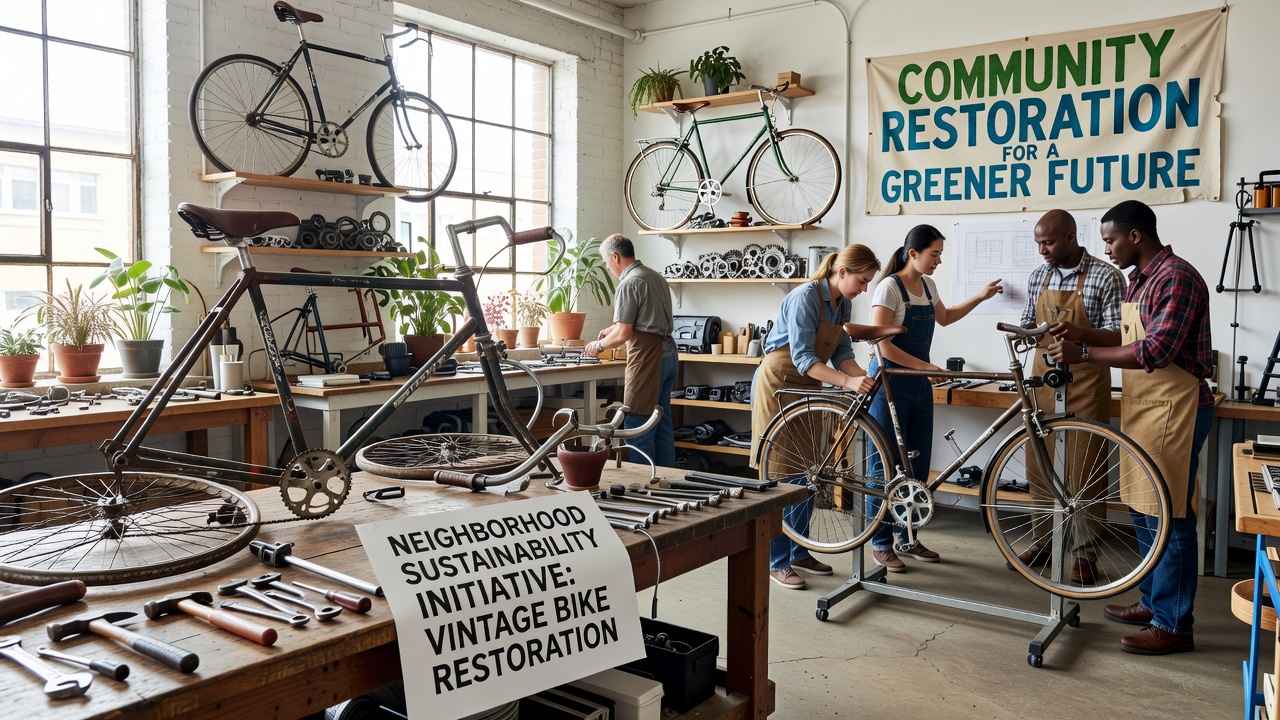
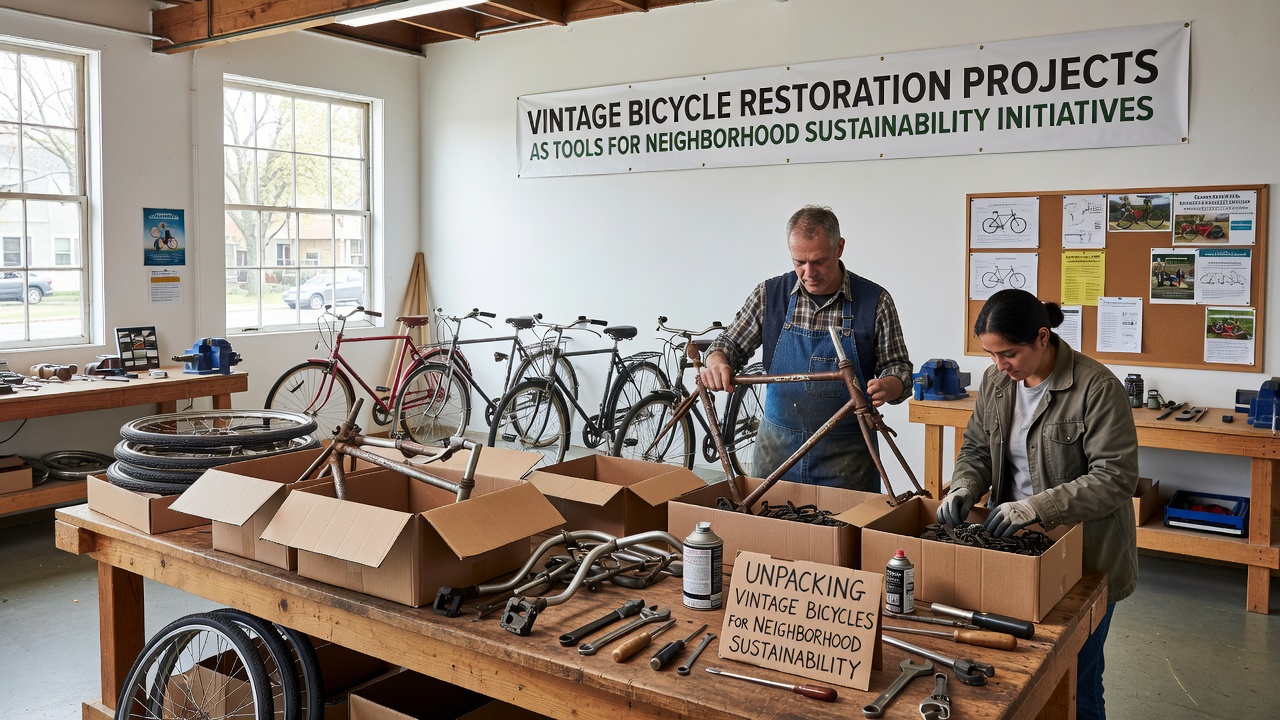
Restoration efforts focus on salvaging frames, wheels, and drivetrains from bicycles manufactured between the 1970s and 1990s, and participants refurbish these items using basic machining techniques rather than purchasing new stock. Studies conducted by environmental agencies show that each restored bicycle prevents approximately 15 to 20 kilograms of mixed waste from entering municipal streams, and this figure compounds when programs operate at scale across several city blocks. In September 2026 the European Environment Agency released updated figures on circular economy practices that included bicycle refurbishment as a measurable contributor to household-level material recovery rates in participating member states.
Workshops typically source donor bicycles through municipal collection events or partnerships with recycling centers, and volunteers strip usable parts while documenting serial numbers and component origins. This documentation supports traceability requirements outlined in extended producer responsibility frameworks adopted in Canada and Australia. Observers note that neighborhoods running consistent restoration cycles report measurable drops in scrap metal tonnage collected by local haulers during peak program months.
Community Skill Sharing and Mobility Access
Programs often pair experienced mechanics with newer residents, and sessions cover frame alignment, bearing repacking, and tire patching using hand tools that require minimal electricity. Research from the University of British Columbia's School of Community and Regional Planning tracked participation in similar Canadian initiatives and found that monthly attendance correlated with increased rates of bicycle commuting among households within a one-kilometer radius of the workshop location. These outcomes appear tied to both cost savings and the social reinforcement that comes from shared maintenance knowledge.
Local governments in several Australian states have integrated bicycle restoration into broader active transport strategies, and grant data from Transport for NSW indicate funding allocations for community tool libraries that support these activities. Participants gain practical abilities that extend beyond single projects, and some groups later establish rotating repair clinics that serve adjacent districts without duplicating equipment purchases.
Integration with Local Green Infrastructure
Restored bicycles frequently appear in neighborhood lending libraries or shared mobility hubs located near parks and transit stops, and usage logs from these hubs show average trip distances under five kilometers that replace short car journeys. Planners in the United States have referenced similar patterns in reports issued by the Environmental Protection Agency's sustainable communities division, which track reductions in vehicle miles traveled when bicycle access improves in mixed-use zones. The projects also intersect with tree-planting and stormwater management efforts because restored bikes enable easier movement between scattered green infrastructure sites without adding parking demand.
Coordinated events in September 2026 are scheduled to align with International Car-Free Day activities in multiple cities, and organizers plan to showcase restored fleets as demonstration tools for residents evaluating daily transport changes. These events draw on existing data sets that link increased bicycle availability with lower localized emissions readings collected by municipal air quality monitors.
Challenges in Scaling and Measurement
Program coordinators report variability in parts availability when donor bicycle quality declines over successive collection cycles, and some groups have begun tracking component failure rates to refine sourcing criteria. Academic reviews published in the Journal of Transport Geography examined longitudinal data from European and North American sites and noted that sustained participation depends on consistent access to covered workspace and basic consumables such as lubricants and brake pads. Neighborhoods that embed restoration activities within existing community centers or library branches show higher continuation rates than those relying on temporary pop-up locations.
Quantitative assessments remain limited because many initiatives operate at the block or district level without standardized reporting templates, yet available case records indicate cumulative effects on household transportation budgets and material throughput when programs run for multiple years. Coordination with regional waste authorities provides one avenue for improving data granularity while maintaining the informal character of volunteer-driven workshops.
Conclusion
Vintage bicycle restoration projects supply neighborhoods with a tangible method for addressing material reuse and transport efficiency simultaneously, and evidence from multiple jurisdictions demonstrates measurable contributions to waste diversion alongside expanded mobility options. Continued documentation of participation metrics and component recovery volumes will help clarify the scale at which these activities influence broader sustainability targets in residential settings.