Sage Bennett · 29 September 2026
The Influence of Bicycle Touring Narratives on Regional Tourism Development Strategies
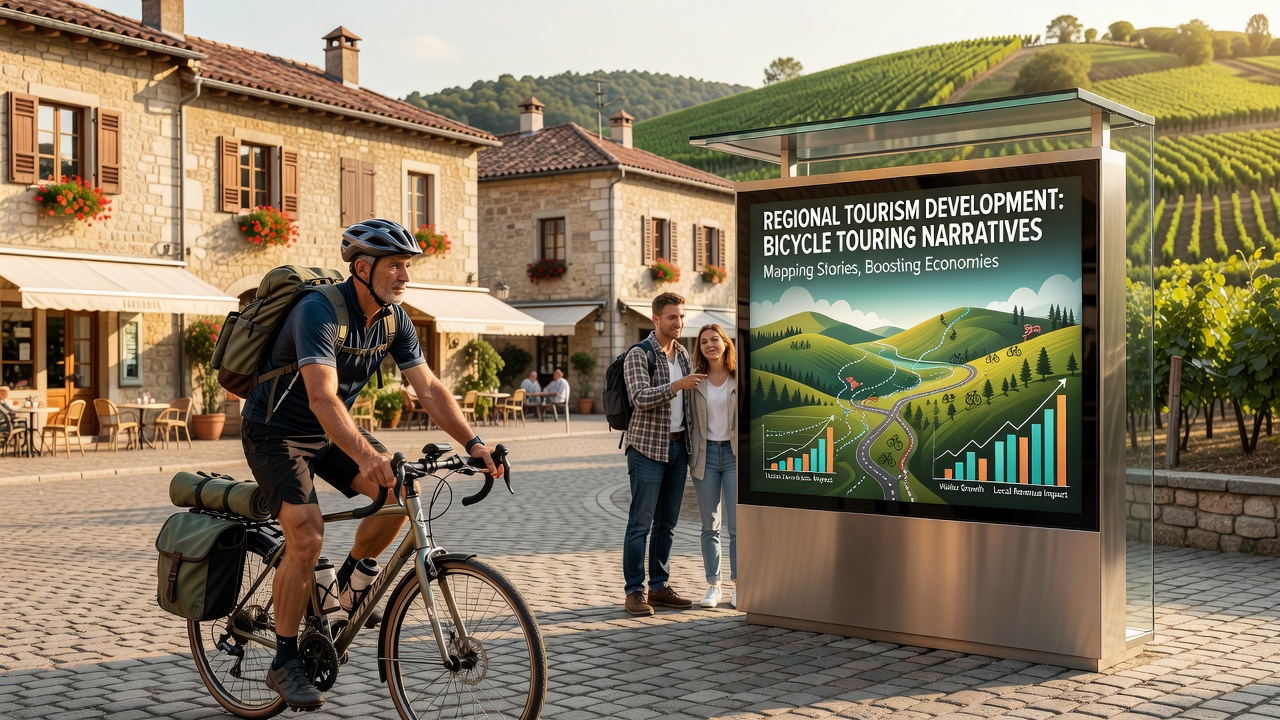
Regional tourism boards have incorporated stories from bicycle touring into their development plans since the early 2000s, when personal accounts began appearing across digital platforms and print publications. These narratives describe routes, local interactions, and daily experiences that travelers share through blogs, videos, and memoirs, and planners now examine them to identify emerging visitor preferences. Data from multiple studies indicate that such accounts influence decisions about trail maintenance, accommodation placement, and promotional campaigns in areas that previously relied on broader outdoor recreation themes.
Narrative Sources and Content Patterns
Researchers at several universities have cataloged thousands of touring accounts and found recurring elements that highlight quiet roads, community encounters, and seasonal conditions. One analysis of European and North American journals showed that descriptions of safe overnight stops and local food sources appear in over seventy percent of entries, while mentions of scenic viewpoints and historical markers follow closely behind. Tourism agencies in Canada and Australia have used these patterns to adjust marketing language on official websites and printed materials, aligning promotional text with the phrases and priorities that appear most often in rider reports.
September 2026 marks the scheduled release of a joint report from the European Cyclists' Federation and the Adventure Cycling Association that will compile five years of route data drawn from shared touring logs. The document is expected to quantify how narrative mentions of specific towns correlate with increases in overnight stays, giving planners measurable indicators for infrastructure investment.
Integration into Development Planning
Local governments now review touring accounts when they update regional master plans. In British Columbia, for instance, officials cross-reference rider descriptions of shoulder widths and signage gaps with traffic counts before allocating repair funds. Similar processes operate in parts of New Zealand and Scandinavia, where narrative mentions of ferry connections or gravel detours have prompted timetable changes and surface improvements. These adjustments occur because planners treat rider accounts as low-cost, real-time feedback that supplements formal surveys.
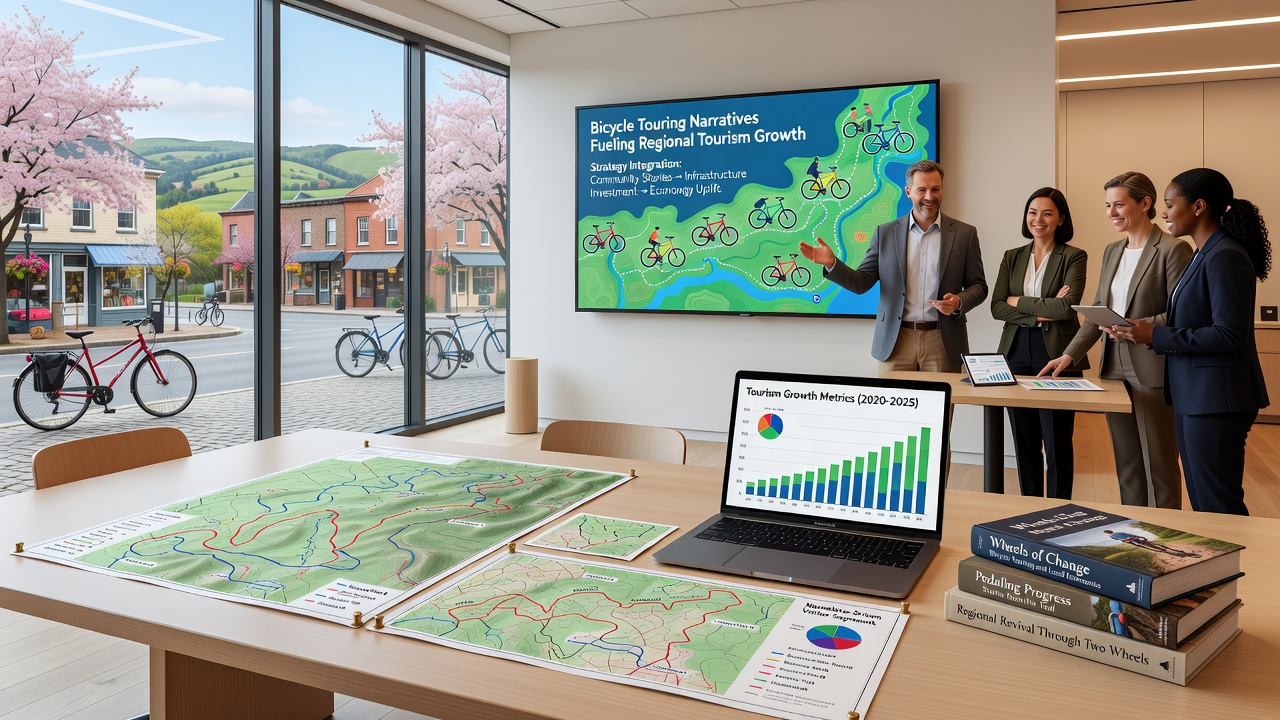
Industry organizations such as the World Tourism Organization have noted that destinations emphasizing bicycle-friendly infrastructure report measurable growth in shoulder-season visits. Figures compiled by the organization show that regions promoting routes described in popular touring accounts experienced an average twelve percent rise in cycling-related bookings between 2022 and 2025. Planners attribute part of this increase to the authenticity conveyed when official materials echo the language and details found in independent traveler accounts rather than generic scenic imagery.
Measurement of Narrative Effects
Academic teams have begun applying text-analysis tools to large sets of touring posts and comparing results with hotel occupancy and visitor-center statistics. One project at the University of Queensland linked increases in mentions of a particular coastal path to a subsequent rise in regional accommodation revenue the following season. Another study in the Netherlands tracked how social-media references to a newly signed route corresponded with higher counts at nearby bike-repair shops and cafes. These correlations remain observational, yet they supply tourism offices with additional data points when they request budget increases for path extensions or interpretive signage.
Regional strategies also incorporate narrative elements into wayfinding systems. Signs that quote phrases drawn from touring accounts or display route names popularized in rider journals appear in several pilot areas, and early visitor surveys indicate that travelers recognize the references. This approach reduces the distance between the stories people read before arriving and the physical environment they encounter once they reach the destination.
Conclusion
Bicycle touring narratives supply tourism developers with detailed, location-specific information that traditional market research sometimes overlooks. By tracking recurring themes across accounts, agencies refine infrastructure priorities, adjust marketing copy, and time promotional campaigns to match observed travel patterns. Ongoing data collection through 2026 and beyond will clarify how these narrative-driven adjustments translate into sustained visitor numbers and diversified local economies.